Last updated: June 17, 2020
Like most of us, I’m moved by the murder of George Floyd by four police officers. I believe Black people when they talk about the continued injustices and oppression they face, and I believe my role in this is to listen, but more importantly, use the skills I have to help dismantle the systems that keep this going.
On this post I’ll keep a running list of what I’m reading and listening to in that regard.
(I’ll talk about the action I’m taking separately, because as one of the first articles notes, enough sitting around talking about injustice — it’s each of our duty to act to dismantle it.)
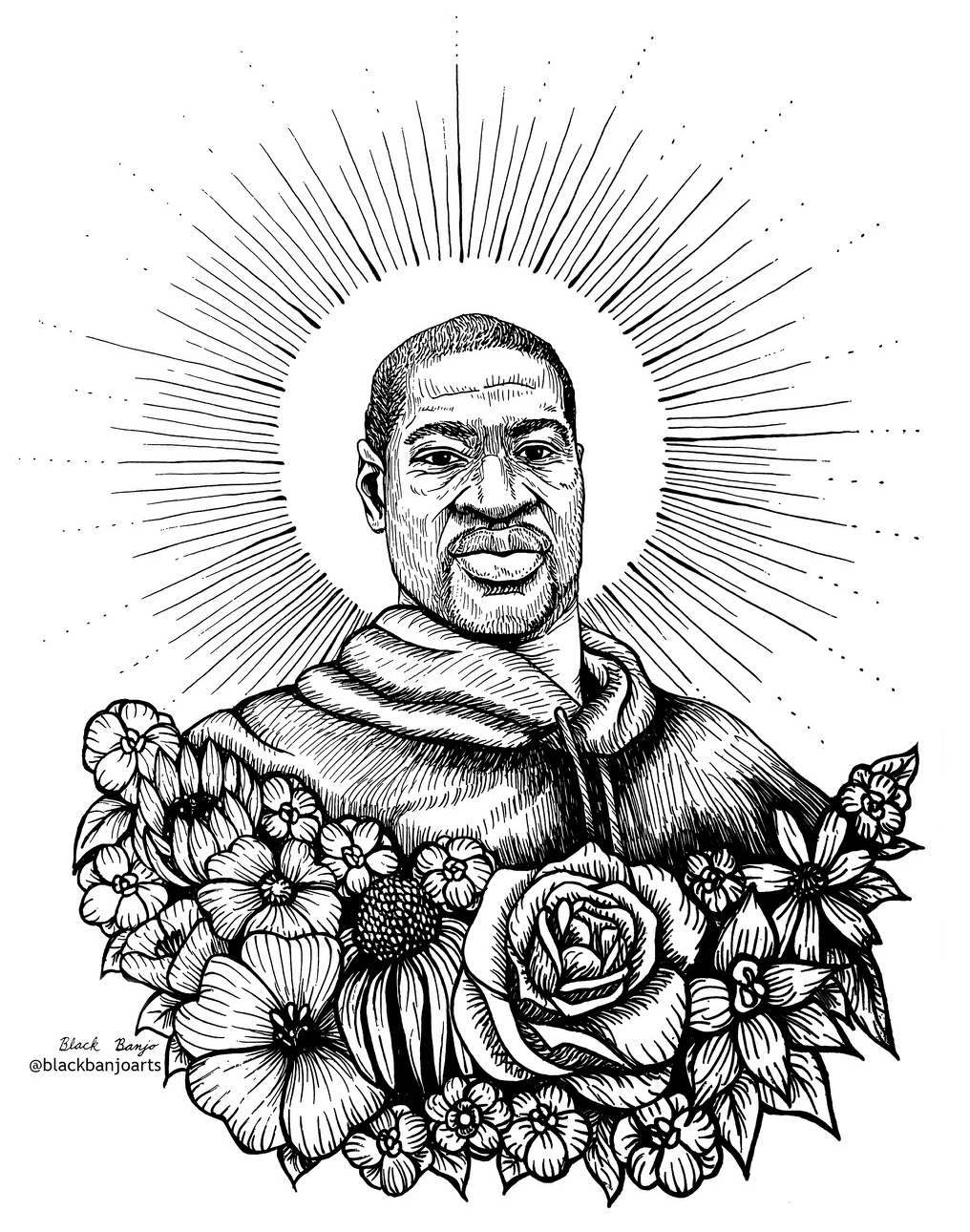
The above drawing is by Minneapolis artist Ellie Bryan. She originally shared it via her Instagram account, writing:
I don’t know what else I can do, so I’m drawing. George Floyd was murdered by the police in broad daylight less than 100 yards from the house that I grew up in and where my parents lived for 30 years. This man did not deserve this. He was crying for help. This could’ve been my dad, who is also a tall and imposing black man, but like George Floyd, a gentle giant. Stop killing us.
– Ellie Bryan
“When black people are in pain, white people just join book clubs” – op-ed by Tre Johnson, a freelance writer based in Philadelphia (he’s on Twitter):
Because I’ve been here before, I know what happens next. In a handful of Sundays, my social media feeds will no longer have my white allies “This”-ing, or unpacking their whiteness or privilege, or nudging their kids to put down their tablets and march. Their book clubs will do what all book clubs do: devolve into routine reschedulings and cancellations; turn into collective apologies for not doing the reading or meta-conversations about what everyone should pretend to read next; finally become occasional opportunities to catch up over wine. It is hard and harmful to know that all of this keeps them in a comfortable place, even if doing just a little feels like a reach when the Race Alarms are sounded.
…
The right acknowledgment of black justice, humanity, freedom and happiness won’t be found in your book clubs, protest signs, chalk talks or organizational statements. It will be found in your earnest willingness to dismantle systems that stand in our way — be they at your job, in your social network, your neighborhood associations, your family or your home. It’s not just about amplifying our voices, it’s about investing in them and in our businesses, education, political representation, power, housing and art.
– Tre Johnson
I met Gabby Richards, communications director for Congresswoman Mary Gay Scanlon, while covering an event in Philadelphia. She tweeted her story about having The Conversation with her parents as a black child:
To my white friends:
— Gabby Richards (@RealGabbyR) May 30, 2020
When was the first time you had #TheConversation about racism?
I’ll share my story — I was 10.
1/? #JusticeForGeorgeFlyod #BlackLivesMatter #BreonnaTaylor #AhmaudArbery #ChristianCooper
Read the thread easily here if you don’t have Twitter.
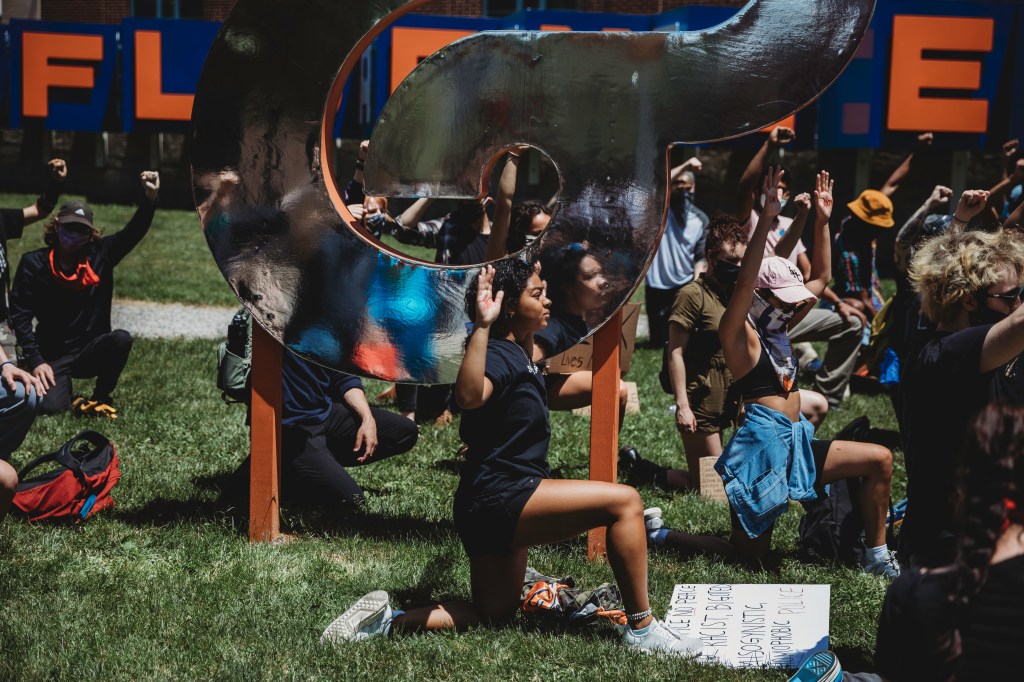
“Of Course There Are Protests. The State is Failing Black People” – an essay by Keeanga-Yamahtta Taylor, assistant professor of African-American studies at Princeton University
“You Can’t Have It All” – a compelling yet kind, 6-minute come-to-Jesus video chat for white women like me, from writer Danielle Henderson
“Yes, Black America Fears the Police. Here’s Why.” – a 2015 essay by journalist Nikole Hannah-Jones, who leads The 1619 Project
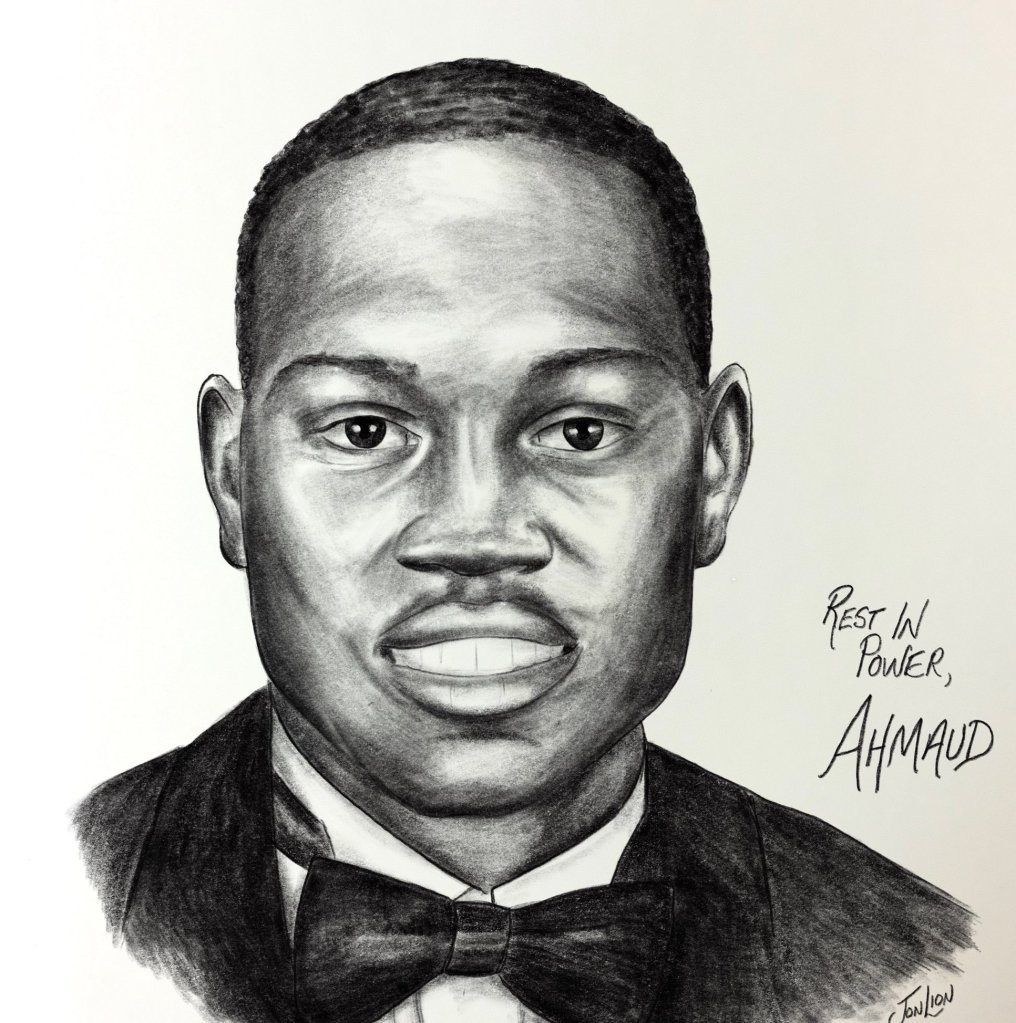
“Kids Don’t Start Racist” – essay by John Powell, teacher and Mennonite pastor (who once left the Mennonite church because of the racism he experienced within, but was drawn back in — that story is another fascinating read)
While shopping last year, a white child about 4 years old pointed at me and asked his mother, “Is that a n—er?” The mother took the child’s hand, looked at me and quickly disappeared. I wasn’t expecting that question. I thought every child had seen a black person. Why use the “N” word? It was obvious the child had heard someone using it. Was hatred being instilled in this child so young?
– John Powell
“I Cover Cops as an Investigative Reporter. Here are Five Ways You Can Start Holding Your Department Accountable” – essay by journalist Andrew Ford
“How Much Do We Need the Police?” – interview by NPR reporter Leah Donnella of author Alex S. Vitale, who wrote a book about fundamentally overhauling the way we do law enforcement: ‘The End of Policing’
Hey, white friends: Remember when you imagined who you’d be in Nazi Germany or during Civil Rights? How you never envisioned yourself as frightened, complicit, allowing power to harm people trying to be free? Guess what. Who you are now is your role in history. Show up.
– Rabbi Danya Ruttenberg
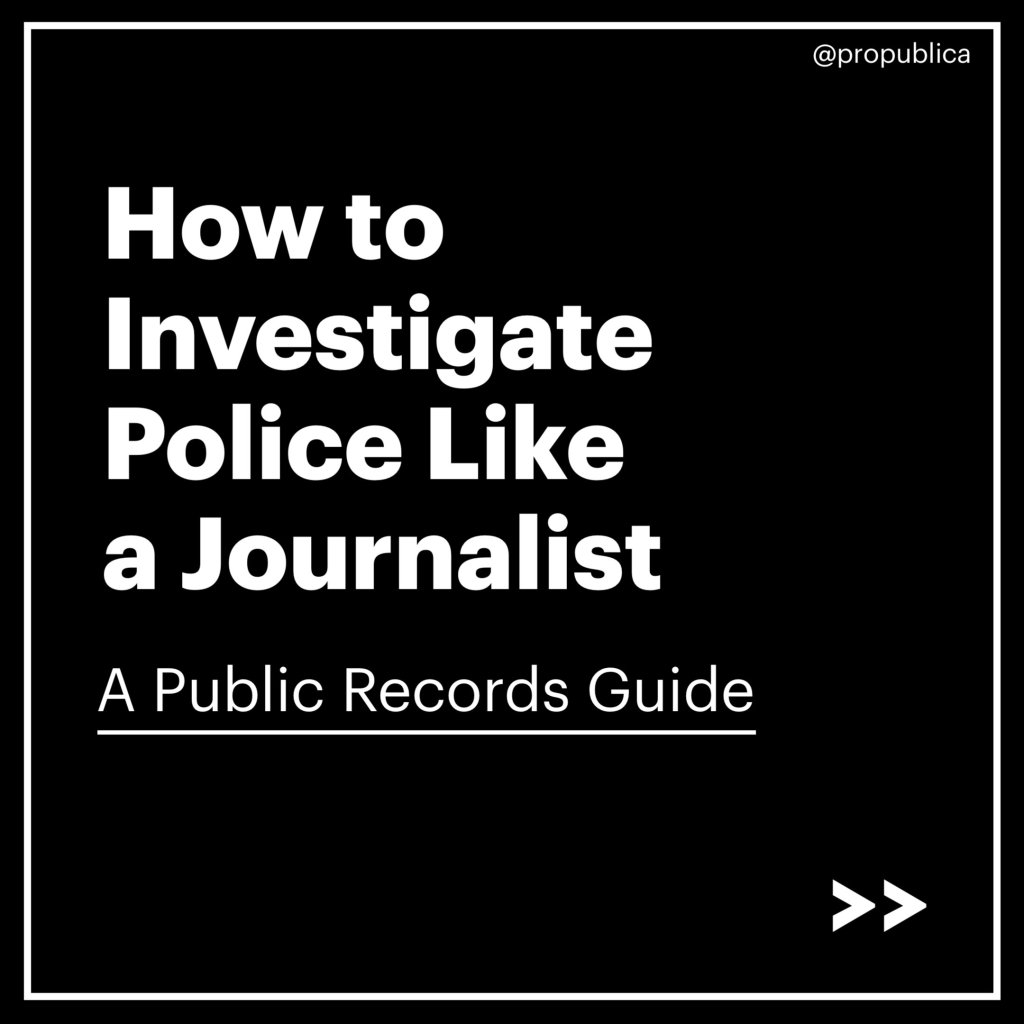
The image links to ProPublica’s guide to collecting publicly available information about your local police department. ProPublica is a non-profit investigative journalism publication. Many of its reports have led to arrests, law changes, and policy changes. I subscribe to their daily & weekly news digests.
“There’s One Big Reason Why Police Brutality Is So Common In The US. And That’s The Police Unions” – article by reporter Melissa Segura. She writes that, “police observers, scholars, and civil rights lawyers and activists say that the strength of these unions and the deals they strike with local governments for rigorous job protections have helped create cultures in which the officers are left unaccountable, and black and brown people are left dead.”
“On the Minds of Black Lives Matter Protestors: A Racist Health System” – article by journalist Akilah Johnson. Says the teaser: “Black lives are being lost to COVID-19 at twice the rate of others. For protesters we talked to, that’s one more reason to be on the street. ‘If it’s not police beating us up, it’s us dying in a hospital from the pandemic.'”

“To Protect and Slur: Inside hate groups on Facebook, police officers trade racist memes, conspiracy theories, and Islamophobia” – a report by two journalists, Will Carless and Michael Corey, who found at least 400 law enforcement officers actively participating in white supremacy groups on Facebook
This photo of Bevin Biggers protesting police brutality first went viral five years ago. In a June 5th interview she explains: “It’s a photo from a protest that goes viral every time someone gets killed by a cop. When I know that I’m going viral, I know what it’s for: Somebody got killed.”
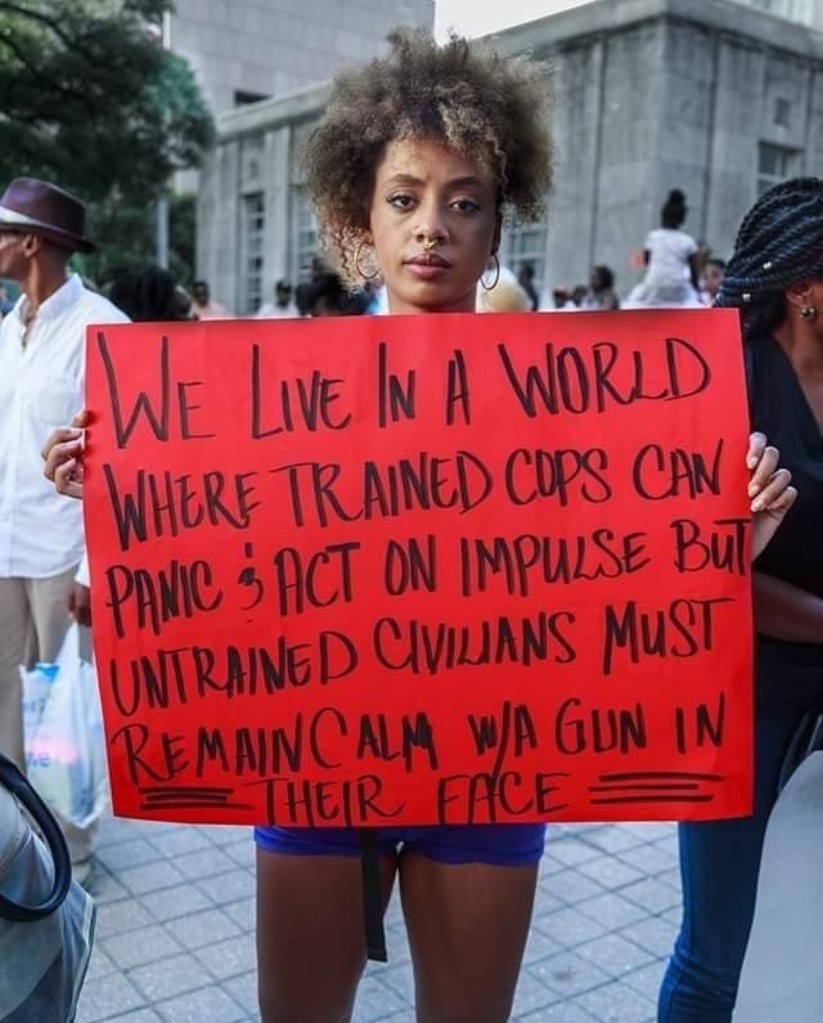
On June 2nd, Bevin rented a U-Haul truck and followed the protest route in Houston to hand out more than 10,000 bottles of water, several hundred snack packs, and first aid kits to people marching with George Floyd’s family.
“The Story Has Gotten Away From Us” – essay by Betsy Morais and Alexandria Neason, who work at Columbia Journalism Review. The piece breaks down the past six months of events in America, and how they’re all connected, and all fueled (at least in part) by America’s institutional racism: “For the most part, journalism has decided that the coronavirus and the killing of George Floyd, a forty-six-year-old Black man, in Minneapolis, are two distinct stories. That’s fiction. Floyd’s murder, under the knees of a white police officer—and the demonstrations in response—occurred as part of a cascade of events.”
“‘Let’s Just Make It Home:’ The Unwritten Rules Black Learn to Navigate Racism in America” – article by Cara Anthony, journalist for Kaiser Health News, published in Time magazine.
The article profiles Darnell Hill, a pastor and a mental health caseworker who teaches Black teenagers the emotional and physical coping strategies of living under systemic racism in America. “Part of Hill’s work is teaching the mechanics of navigating everyday encounters—from walking in a public space like a park to being stopped by the police or entering a business,” writes Anthony.

 Words For Friends